Step-by-Step Guide to Rebuilding a Hit & Miss Gas Engine
For amateurs and collectors who love old mechanical design, rebuilding a hit and miss engine is one of the most fun things to do. People are still interested in these engines because of their rhythm and attractiveness, even though they were originally utilized on farms and in workshops. Restoring something, whether for use or show, teaches you to be patient, precise, and respectful of history. A lot of people who start this path also look at old gas engines for sale and vintage gas engines for sale to get ideas for their own rebuild.
Preparing for the Rebuild
Before you take the machine apart, take pics and notes on how every component fits. This will make it an awful lot less difficult to position the whole lot returned collectively in a while. Most hit-and-miss engines have years' worth of dust, corrosion, and oil accumulation, so it is vital to clean them. If you name bolts, nuts, and pieces correctly, it will be easier to find what you need. Many people who buy antique and vintage gas engines for sale realize that getting ready can save them hours of aggravation when they restore them.
Disassembly and Cleaning
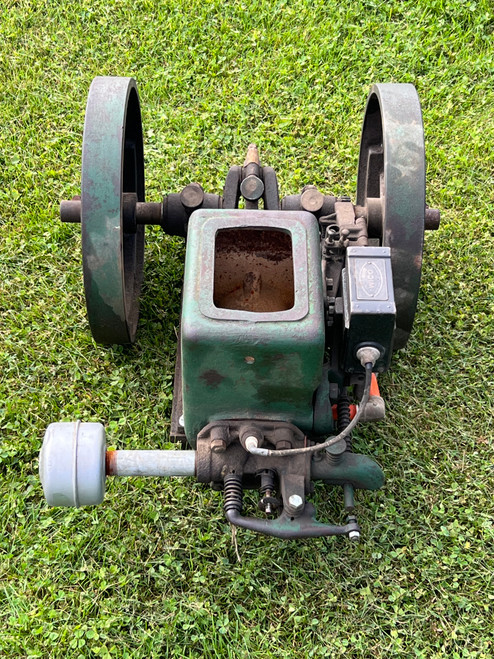
When you're equipped, take the engine apart very cautiously, piece with the aid of piece. Use the ideal tools so you don't hurt vintage metallic. Depending on how dirty the elements are, you can clean them with wire brushes, degreasers, or light blasting. The idea is to show what the metal underlying is really like. This is when you usually find surprises, such as cracks or wear that isn't visible. This stage is often what makes the difference between a functional antique or vintage gas engine and one that needs a lot of work.
Inspecting and Repairing Parts
You need to check every part of the engine. The cylinder walls, piston, connecting rod, bearings, and flywheels are very important for the engine to work. You should fix or replace bushings that are worn out or rods that are bent. Some pieces can be machined back to their original shape, while others may need to be made from scratch. You also need to pay great attention to the magneto or ignition system since the strength of the spark is quite important. People who work on vintage gas engines for sale and antique gas engines for sale sometimes tell stories about how they found replacement components from other collectors or specialty vendors.
Reassembly with Care
Putting the engine back together takes a long time. Parts must be lined up correctly, clearances checked, and lubricants put in the right areas. Setting the ignition and valves at the right time makes sure the engine runs as it should. Putting the machine back together is typically the most satisfying part since you can watch it start to take shape again. People who buy antique and vintage gas engines for sale know that putting them back together carefully is what makes a collection of parts into a working piece of mechanical history.
Conclusion
Rebuilding a hit-and-miss engine is more than simply a project; it's like going back in time. Every step, from taking it apart and cleaning it to fixing it, putting it back together, and testing it, brings you closer to bringing a piece of history back to life. The technique improves mechanical skills and makes you appreciate the artistry of the past more. For people who love looking for antique gas engines for sale or vintage gas engines for sale, nothing beats the sound of a restored engine's slow, steady beat. Flywheel Supply is here to help you with your passion by giving you information, components, and support at every step of your restoration journey.


Comments
Post a Comment